Boosting Hemoglobin Naturally: A Guide to Home Remedies
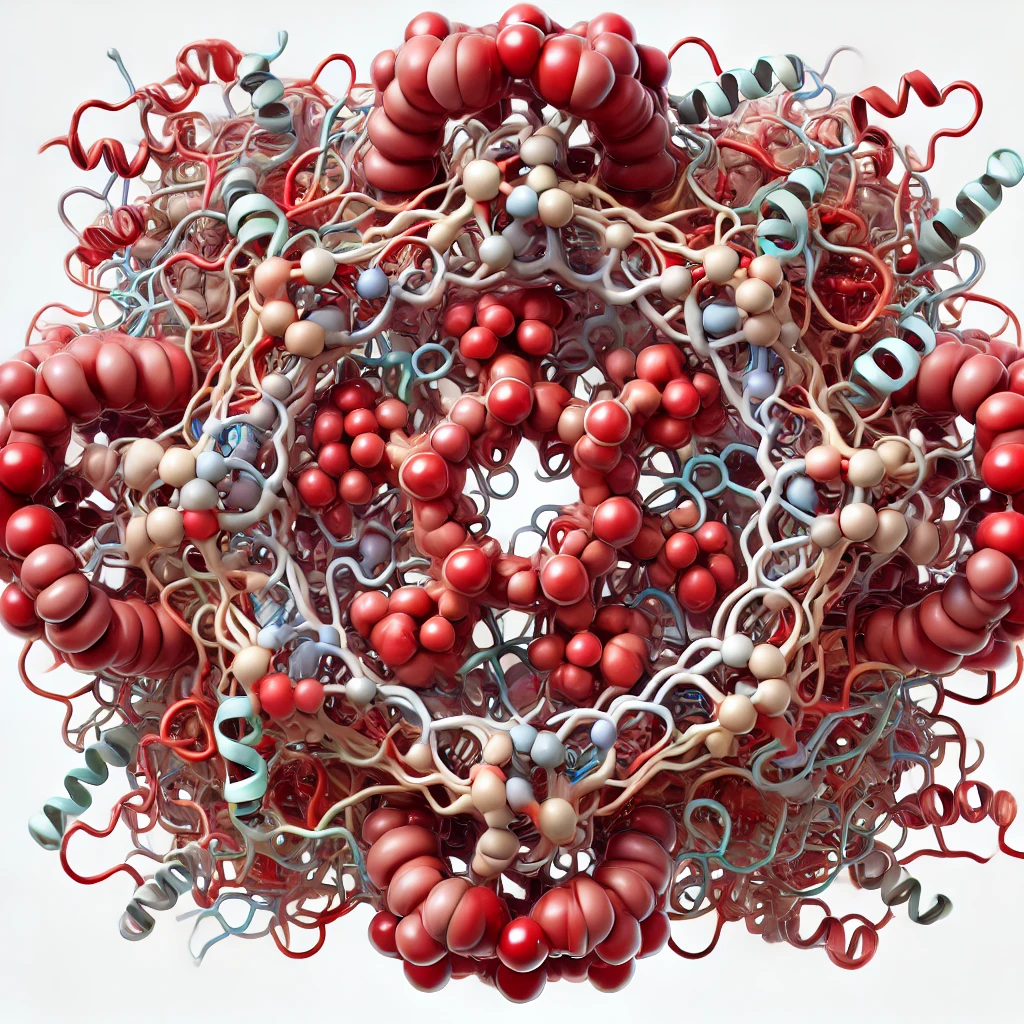
Hemoglobin, an iron-rich protein found in red blood cells, plays a vital role in carrying oxygen throughout the body. When hemoglobin levels are low, it can indicate underlying health conditions such as anemia or even more serious issues like cancer. For those with low hemoglobin, there are several dietary changes and home remedies that can help naturally increase levels and improve overall health.
Anemia occurs when the body doesn’t have enough red blood cells or the cells aren’t functioning properly, leading to a lack of oxygen in the body. This oxygen deprivation can be harmful, as the body requires a steady supply of oxygen to function optimally. In the United States alone, nearly 3 million people are affected by some form of anemia, and addressing the condition often starts with understanding and increasing hemoglobin levels.
For individuals struggling with low hemoglobin, there are several lifestyle changes that can aid in boosting these levels. One of the most effective ways to increase hemoglobin is by increasing iron intake. Iron is crucial for hemoglobin production and red blood cell formation. Without enough iron, the body struggles to produce sufficient hemoglobin, resulting in lower oxygen levels. The most common type of anemia, iron deficiency anemia, can often be managed by eating more iron-rich foods such as meat, fish, poultry, organ meats, beans, legumes, eggs, leafy greens like kale and broccoli, and nuts and seeds.
In addition to iron, folate, a type of B vitamin, also plays an essential role in hemoglobin production. The body uses folate to produce heme, which is a key component of hemoglobin. Without enough folate, red blood cells won’t be able to mature properly, potentially leading to folate-deficiency anemia and low hemoglobin levels. Folate can be found in foods like spinach, kidney beans, peanuts, fruits, whole grains, sunflower seeds, and eggs. Some people may benefit from folate acid supplements, as the body absorbs them more effectively compared to food sources.
Another important factor in increasing hemoglobin is maximizing iron absorption. Certain vitamins and minerals can enhance the body’s ability to absorb iron, including vitamin C, vitamin A, and beta-carotene. Vitamin C, found in fruits like oranges, strawberries, and papaya, helps the body absorb iron more efficiently. Similarly, vitamin A, present in foods like fish, liver, and sweet potatoes, and beta-carotene, found in carrots, squash, and mangoes, also aid in iron absorption. By combining iron-rich foods with sources of these vitamins, individuals can improve their body’s iron absorption and, in turn, boost hemoglobin levels.
For individuals with severely low hemoglobin, a healthcare provider may recommend taking iron supplements. These supplements can help gradually increase the body’s iron levels over several weeks. In some cases, individuals may need to take them for a few months to restore their iron stores. However, it’s important to be cautious when taking iron supplements, as too much iron can be dangerous. Excessive iron can lead to a condition known as hemochromatosis, which can cause liver damage. Common side effects of too much iron include constipation, nausea, and vomiting. It’s essential to follow the recommended dosage based on current iron levels and consult a healthcare provider before starting supplementation.
Increasing hemoglobin levels naturally involves a combination of dietary changes, focusing on foods that promote iron, folate, and vitamin absorption, and considering supplements when necessary. With the right approach, individuals can manage and improve their hemoglobin levels effectively.
However, it’s crucial to consult with a healthcare provider to ensure the best course of action and avoid any potential complications from excessive supplementation. By following these guidelines, people can take control of their health and boost their hemoglobin levels, promoting better overall well-being.
Be first to post your comments