New Study Analyzes Outcomes of Thread Lifts for Brow Rejuvenation
A recent systematic analysis looked at the effectiveness and safety of thread lifts, a minimally invasive method for raising the brows. Dr Debraj Shome and Dr Rinky Kapoor from The Esthetic Clinics in Mumbai conducted the study, which was published in Dermatological Reviews.
The study analysed data from six clinical studies, including 419 participants, with an average age of 55. Patients were monitored for an average of ten to eleven months. According to the analysis, more than 90% of patients were satisfied with the results.
According to the study, the procedure had a favourable safety profile. The most common negative effects were moderate and transient. Bruising (ecchymosis) and oedema were common, accounting for 83.4% of all cases. Thread disruption, where the inserted thread moves or becomes visible, occurred in 2.5% of processes.
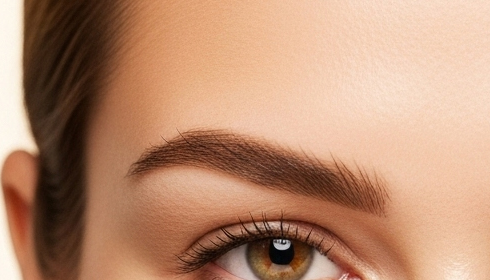
A thread lift is an office-based technique that involves placing temporary, medical-grade threads beneath the skin of the forehead. These threads provide instant mechanical support, lifting the brow tissue. They also promote the body's natural creation of collagen, a protein that gives skin structure, in a process known as neocollagenesis.
The study suggests that thread lifts are a less intrusive alternative to typical surgical brow lifts. Unlike surgery, which needs anaesthesia and carries the dangers of infection, nerve damage, and prolonged recuperation, thread lifts have a brief downtime, allowing patients to resume normal activities soon after the treatment.
"This systematic review provides the evidence-based foundation that the aesthetic medicine community has been seeking when using non-surgical modalities like thread lifting for brow drooping," stated Dr Debraj Shome, the study's senior author.
A co-author, Dr Rinky Kapoor, explained that the approach addresses "multiple ageing concerns simultaneously by providing mechanical lift while stimulating the body's natural regenerative processes."
According to the authors, the best benefits are seen in patients with mild to severe skin laxity, or looseness. They also emphasised the need for additional research, including large-scale, long-term studies, to continue examining the procedure's efficacy. The procedure's effects normally last around a year.
Be first to post your comments