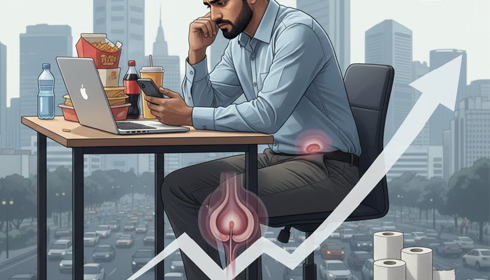
Haemorrhoids on the Rise in India: A Common but Ignored Lifestyle Disease
Haemorrhoidal disease, also known as haemorrhoids or piles, is gradually becoming one of the most frequent lifestyle-related illnesses in India. Doctors in metropolitan and semi-urban areas are finding an upsurge in patients complaining of rectal pain, bleeding, or discomfort — symptoms that are frequently ignored or concealed owing to social humiliation. Globally, haemorrhoids afflict approximately 10 million people in the United States, and specialists estimate the burden in India may be even larger due to dietary and lifestyle habits.
Haemorrhoids develop when blood vessels and tissues in the anal canal expand or become irritated. They are broadly characterised as internal, external, or mixed haemorrhoids. Internal haemorrhoids in the anal canal frequently cause painless bleeding during bowel movements. External haemorrhoids at the anal entrance can cause significant pain, itching, and swelling, particularly if a clot forms. Mixed haemorrhoids have symptoms of both, making them especially distressing.
Doctors typically diagnose haemorrhoids by a physical examination or by doing procedures such as anoscopy and colonoscopy to rule out more serious illnesses such as colorectal cancer. Though not life-threatening, untreated haemorrhoids can cause severe discomfort and impair a person's quality of life.
In India, changed eating habits, a lack of dietary fibre, dehydration, and extended hours of sitting have all contributed to an increase in haemorrhoidal illness. According to gastroenterologists, young professionals who spend long periods of time at their desks and lack regular physical activity are increasingly at risk. Simple lifestyle changes, including drinking more water, increasing fibre intake through fruits, vegetables, and whole grains, and avoiding straining during defecation, can effectively prevent and treat the illness.
To relieve inflammation and pain in moderate cases, topical creams containing hydrocortisone or oral drugs such as flavonoids are frequently used. When these treatments fail, office techniques such as rubber band ligation, injectable sclerotherapy, and infrared coagulation are used. These treatments can significantly alleviate symptoms without requiring hospitalisation. In extreme cases, particularly when mixed haemorrhoids are present, surgical removal may be necessary. Although surgery provides long-term treatment and a low recurrence rate (2-10%), it requires a lengthier recovery time.
Health professionals advise people not to ignore symptoms like bleeding or pain in the anal region. Early consultation with a doctor can help prevent issues and enhance outcomes. Millions of people who are silently suffering from this treatable ailment can regain comfort and dignity in their daily lives with more awareness and proper care.
Be first to post your comments