Eating More Vitamin C May Strengthen Skin From Within: Study
A large international study found some of the best evidence yet that ordinary eating choices can affect how well the skin repairs and renews itself. According to researchers at the University of Otago in Christchurch, collagen formation, which gives skin its firmness and structure, is directly proportional to the quantity of vitamin C we ingest. Their peer-reviewed findings in the Journal of Investigative Dermatology suggest a straightforward public-health message: promoting skin health can start in the kitchen, not at the cosmetics counter.
The researchers discovered that vitamin C levels in the skin rise and fall in tandem with the vitamin C levels in the blood. In layman's terms, when consumers ate more vitamin C-rich fruit, their skin quickly absorbed the nutrient, increasing collagen formation and renewing the skin's outer layers. As lead author Professor Margreet Vissers explains, the link they discovered was "compelling". She elaborates: "We were surprised by the tight correlation between plasma vitamin C levels and those in the skin – this was much more marked than in any other organ we have investigated."
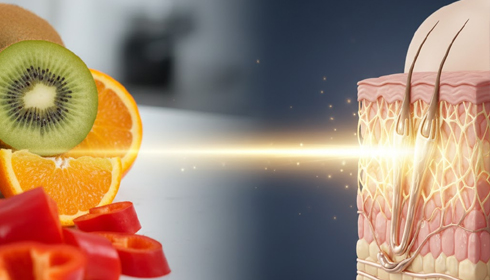
Vitamin C is needed for collagen synthesis. Collagen is a protein that functions as a scaffold underneath the skin, making it tight, elastic, and resilient. While many skin lotions promise to provide vitamin C through topical application, Professor Vissers points out that the vitamin is very water-soluble and does not easily penetrate the skin barrier. "We are the first to demonstrate that vitamin C in the blood circulation penetrates all layers of the skin and is associated with improved skin function," she reports. "Our study shows that the skin is extremely good at absorbing vitamin C from the blood circulation."
The study included two dozen healthy adults from New Zealand and Germany. Participants in the intervention arm ate two SunGold kiwifruit each day, which provided around 250 mg of vitamin C, the amount known to optimise blood levels. Skin samples after eight weeks demonstrated higher vitamin C levels, thicker skin from enhanced collagen synthesis, and improved epidermal cell renewal. German volunteers also underwent ultrasound tests, which revealed improvements in elasticity and UV protection.
Although the study employed SunGold kiwifruit because of its consistently high vitamin C concentration, the researchers highlight that citrus fruits, berries, capsicums, and broccoli are likely to have similar advantages. "The important thing is to keep your plasma levels optimal," Professor Vissers says. "We recommend 5+ a day, with one of those five being a high vitamin C food."
The finding is especially relevant in India, where diets frequently lack enough fruit and vegetable intake. According to national surveys, many households consume significantly less than the required amounts of micronutrients. At the same time, interest in skin health is growing, with Indians investing extensively in topical treatments. This study implies that increasing dietary vitamin C – through guava, amla, citrus fruits, papaya, or capsicum – may be a natural, accessible strategy to enhance skin regeneration, particularly for urban people exposed to pollution and UV radiation.
Be first to post your comments