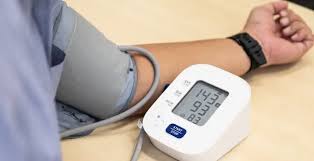
Uncontrolled Blood Pressure: The Hidden Mental Health Crisis India Cannot Ignore
Hypertension has long been recognised as a major risk factor for heart attacks, strokes, and kidney disease. But experts warn that its impact extends far beyond the body. Uncontrolled high blood pressure is now emerging as a silent driver of anxiety, depression, cognitive decline, and emotional distress — a dimension often overlooked in India’s rapidly growing hypertension epidemic.
Doctors say that when blood pressure remains elevated for years, it begins to alter how the brain functions. The constant pressure on blood vessels causes them to stiffen and narrow, reducing the flow of oxygen-rich blood to critical areas responsible for memory, focus, and emotional control. As a result, many patients silently struggle with forgetfulness, irritability, persistent worry, and difficulty concentrating — symptoms frequently dismissed as stress or ageing.
“Hypertension keeps the body in a state of chronic alertness. Stress hormones like cortisol remain high, and over time, this leads to anxiety, mood swings, and even panic-like symptoms,” explain mental health specialists. Research globally has also linked chronic hypertension to a higher risk of depression. Reduced blood flow to the hippocampus and prefrontal cortex — regions that regulate mood and decision-making — can trigger chemical imbalances that affect emotional well-being.
The consequences can be more severe as uncontrolled blood pressure is one of the strongest predictors of vascular dementia. Doctors warn that damaged blood vessels can cause “silent strokes,” which gradually impair memory and thinking speed. Left unmanaged, these changes increase the long-term risk of dementia and Alzheimer’s disease.
Sleep disturbances further complicate the picture. Hypertension is strongly associated with insomnia and sleep apnea, both of which worsen mental fatigue, irritability, and depressive symptoms. The resulting cycle of poor sleep and high blood pressure makes daily functioning even more challenging for patients.
Beyond brain chemistry and physiology, there is also a profound emotional burden. Living with a chronic condition and the constant fear of complications — from stroke to heart failure — can significantly affect self-esteem and quality of life. Many patients report feeling overwhelmed, socially withdrawn, or reluctant to pursue physical activity because of health-related anxiety.
Experts emphasise that recognising the mental health dimension of hypertension is essential for improving outcomes. Patients struggling with anxiety or depression are less likely to adhere to medication, maintain healthy routines, or seek timely care. Integrating mental health screening into hypertension management, they say, can help break this cycle.
With hypertension affecting an estimated 300 million Indians by the end of this decade, doctors urge the public to take both physical and emotional symptoms seriously. Addressing blood pressure is no longer just about cardiology — it is about safeguarding the brain and protecting mental well-being.
Be first to post your comments