Liver Cancer Rising Among Young Indians: Expert
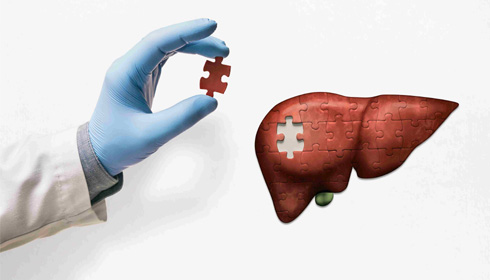
Liver cancer has historically been associated with elderly persons, frequent drinking, and chronic hepatitis. However, doctors across India are noticing a significant and disturbing trend. A significant number of young people under the age of 40 are being diagnosed with the disease, including many who do not drink alcohol or have viral infections. Experts believe that this tendency reflects a larger issue with the country's shifting lifestyle and healthcare goals.
According to Dr Naveen Ganjoo, Senior Consultant - Hepatology & Integrated Liver Care at Aster RV Hospital, the pattern is clear: India is seeing liver cancer in patients who were previously not thought to be at risk. He notes that this increase is directly related to non-alcoholic fatty liver disease (NAFLD), a disorder in which excess fat accumulates in the liver of persons who do not consume alcohol. NAFLD presently affects about 120 million people in India, with the number rapidly increasing among young adults.
The reasons are deeply rooted in modern life. Long work hours, little physical exercise, reliance on processed foods, increased obesity, and an increase in early-onset diabetes are all contributing to widespread metabolic disorders. When these problems persist, they damage the liver, resulting in scarring known as cirrhosis. As Dr Ganjoo states, "Every time the liver tries to heal itself, there's a chance for DNA changes that can lead to cancer." In rapidly urbanising India, these risks have become commonplace—often without people's knowledge.
Despite these soaring numbers, liver cancer screening is virtually nonexistent in India's public health system. The Ayushman Bharat project provides routine screening for oral, breast, and cervical cancers, but not liver cancer. Thousands of Ayushman Arogya Mandirs now provide basic healthcare across the country, but liver-specific diagnostics are still not included in routine checkups.
To fill this void, the HEALD initiative—Healthy Liver Education and Alcohol-Associated Liver Disease Prevention—has been developed. The program's goal is to reinforce legislation, encourage early diagnosis, and give mental health support to people suffering from alcohol-related liver problems. However, implementation is still ongoing and far from complete.
Cultural stigma adds an additional element of complication. In many communities, liver disease is inherently associated with drinking, resulting in shame and secrecy. As a result, young people frequently disregard early warning symptoms like weariness, mild jaundice, or gastrointestinal discomfort for fear of being judged or misunderstood.
Doctors are also noticing occurrences of fibrolamellar carcinoma (FLC), a rare liver cancer that only affects people under the age of thirty. Unlike the more prevalent hepatocellular carcinoma (HCC), FLC is caused by a genetic mutation and can develop even in young, otherwise healthy people. The modest symptoms make early diagnosis even more difficult.
Experts believe India urgently needs to expand screening, normalise liver health discourse, promote the hepatitis B vaccine, and encourage regular check-ups for people who are obese, diabetic, or have a family history of liver illnesses. In a society where lifestyle-related illnesses are increasing at an alarming rate, liver cancer among the young is a warning we cannot afford to ignore.
Be first to post your comments