New Blood Test Shows Strong Potential to Predict Brain Recovery After Cardiac Arrest
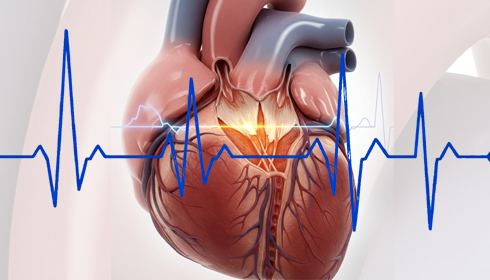
A new multinational study discovered that a simple blood test could provide doctors with a far clearer image of brain injury following a cardiac arrest, giving families and professionals a more dependable approach to determine the next steps in care.
The study, published in The Lancet Respiratory Medicine, reveals that a biomarker known as neurofilament light (NFL) may outperform all available methods for determining whether unconscious patients would restore substantial brain function. Every year, around four million people worldwide experience sudden cardiac arrest, making the findings extremely relevant to public health systems.
"This will transform care for these patients," says Marion Moseby Knappe from Lund University, who led the prospective multicentre study.
The present difficulty in intensive care units is that most patients treated after a cardiac arrest stay unconscious, leaving doctors unsure whether their brains will recover. The study, which included 819 patients treated at 24 hospitals in Europe, examined four blood biomarkers that indicate brain injury. Samples were obtained at hospital admission and again at 24, 48, and 72 hours and processed on the same machine to guarantee consistency.
A biomarker is a chemical found in the body that indicates a change in health. NFL, for example, seeps into the blood when neurone cells in the brain are injured. The recent study found that NFL correctly predicted 92% of patient outcomes six months following cardiac arrest. "NFL outperformed the other three biomarkers. It is more effective at distinguishing between patients with serious and little brain damage and can provide an answer as soon as 24 hours after the cardiac arrest. The biomarker is also more stable in the blood, which is important in the measuring process," Knappe adds.
The researchers also discovered that two indicators commonly employed today—neurone-specific enolase and S-100 protein—fall short of providing a clear prognosis for recovery. Another biomarker tested, GFAP, fared better than those currently utilised but not as well as the NFL.
According to Niklas Nielsen, a professor of anaesthesia and acute care at Lund University, the findings could help guide difficult judgements. "It is fair to maintain intensive care if the blood test indicates that the chances remain unexplored." However, if it is obvious that there are no circumstances for survival with a functional status associated with a decent life, a transfer to palliative care may be considered," he says. However, he emphasised that the test should never be used alone. Doctors must also analyse scans and electrical activity in the brain, as well as the patient's overall health. "Overall, the new findings are significant for a reliable assessment of the chance of waking up after a cardiac arrest," according to Nielsen.
For families facing lengthy wait times and unknown results, a quick and reliable test could help with decision-making and ensure that care remains focused on dignity, rehabilitation, and responsible use of critical-care resources.
Be first to post your comments