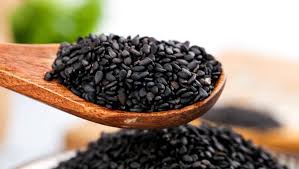
Black Cumin Seed May Help Improve Cholesterol and Slow Fat Cell Growth, New Study Finds
A new study suggests that adding black cumin seed powder to the daily diet may help lower cholesterol levels and slow the development of fat cells, offering a promising natural approach to improving metabolic health.
Published in Food Science & Nutrition, the research combined laboratory experiments with a clinical trial to understand how black cumin — a spice long valued in traditional medicine — influences fat formation and cholesterol regulation.
In the first phase, the research team examined the composition and biological activity of black cumin seed extract. They found a rich presence of beneficial fatty acids, particularly unsaturated fats, along with strong antioxidant compounds such as phenolics, flavonoids and the well-known bioactive ingredient thymoquinone. When the extract was tested on precursor fat cells in the laboratory, it did not harm cell viability, indicating that it was safe at the concentrations used.
Instead, it appeared to interfere with the cells’ ability to accumulate fat. The treated cells showed noticeably lower triglyceride levels, reduced lipid build-up, and decreased activity of an enzyme involved in triglyceride production. Proteins essential for the development of mature fat cells were also found to be significantly reduced, suggesting that black cumin extract may slow down the process of fat cell formation at the molecular level.
The second phase of the study shifted from the lab to real-life conditions. Researchers conducted a randomized controlled trial involving 42 adults with overweight or obesity, all of whom had borderline high cholesterol levels but were not taking any lipid-lowering medications. Over eight weeks, one group consumed a daily spoonful — 5 grams — of black cumin seed powder, while the other group received no supplement. By the end of the study, the group taking black cumin showed marked improvements in their cholesterol profile.
Their total cholesterol, LDL or “bad” cholesterol and triglycerides had fallen, while HDL or “good” cholesterol had risen. In contrast, the control group did not show such benefits. Although some participants reported a slight increase in appetite, the supplement was generally well tolerated and did not cause significant side effects.
Commenting on the findings, Dr. Aaron Chapa, an alternative clinical nutrition practitioner not involved in the study, said the research offers valuable insight into how black cumin supports metabolic health.
He noted that the supplement appears to influence gene activity within fat cells, reduce the enzymes required to store fat, limit fat accumulation and improve cholesterol levels within a relatively short timeframe.
Earlier studies have already highlighted black cumin’s potential in reducing inflammation, supporting blood sugar balance and enhancing immune and antioxidant functions.
While the results are encouraging, the researchers emphasised that larger and longer-term studies are needed to confirm these benefits. Even so, the findings suggest that black cumin seed — an affordable, widely available ingredient — could become a useful complementary tool for managing cholesterol and supporting weight-related health when paired with balanced nutrition and lifestyle changes.
Be first to post your comments