Even Occasional Cannabis Use Linked to School and Emotional Struggles in Teens: Study
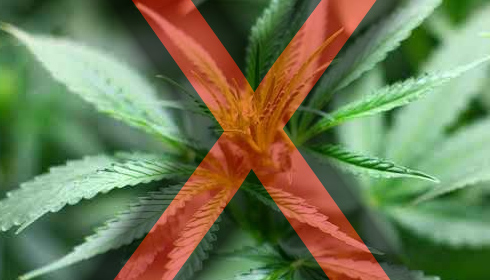
As cannabis laws change across the United States, a huge national study raises new worries about how even moderate usage of the drug may damage youths' mental health and education. The findings come at a time when cannabis remains illegal at the federal level, despite efforts to classify it as a Schedule III substance, which acknowledges medical usage while confirming strong hazards and controls.
The study, conducted by Ryan Sultán, assistant professor of clinical psychiatry at Columbia University's Vagelos College of Physicians and Surgeons, reveals that there may be no truly "safe" amount of cannabis usage among adolescents. The study examined data from more than 160,000 kids in grades 8, 10, and 12 between 2018 and 2022 and discovered that even consuming marijuana once or twice a month was associated with worse academic performance and increased mental discomfort.
"While previous studies have focused on the effects of frequent cannabis use among teens, our study found that any amount of cannabis use at all may put kids at risk of falling behind in school, and the kids using it most often may have the greatest risk," according to Sultán. "A few 'harmless' joints can lead to serious academic consequences. Teens who use it routinely struggle to focus, miss school, and may lose interest in their future goals."
The findings contrast with overall trends in juvenile substance usage. While alcohol and cigarette usage among US youths has reached new lows, cannabis use has remained consistent. Around one in every five high school students reports current use, and approximately 6% of 12th graders claim they use cannabis on a regular basis, a rate that has increased over the last decade.
"The real-world impact can be dramatic," Sultán explained. It's common for a young teen to smoke marijuana only a few times before showing signs of withdrawal and worsening mood.
Scientists believe the risks are increased today because modern cannabis products are significantly more potent than those used by past generations. Many now contain two to three times the amount of THC, the ingredient responsible for the "high". This matters because the adolescent brain is still developing.
"A teenager's brain is still developing the circuits for learning, self-control, and emotional regulation," said Tim Becker, a child and adolescent psychiatrist at Weill Cornell Medicine and the study's co-author. "Using cannabis, even casually, during these critical growth periods interferes with those processes and can derail normal development."
The study discovered that near-daily users were nearly four times more likely to report poor grades and disengagement from school activities. Younger users were more vulnerable, with greater correlations between cannabis use, anxiety, and impulsive behaviour.
According to experts, the findings highlight the importance of having open and honest interactions at home. Parents and carers are advised to have open and honest discussions about cannabis and its consequences early on.
"Make sure they understand that 'natural' doesn't mean 'safe'," Sultán instructed them. Sultán also advised parents to be vigilant for warning signs such as declining grades, mood changes, or loss of interest in hobbies, and to consider cannabis as a potential contributing factor.
Be first to post your comments